
False Breakouts and Liquidity Traps Explained
False breakouts are not random failures; they are often the result of liquidity dynamics and participant behavior. This article explains why false breakouts occur, how liquidity traps form, and how professional traders interpret these moves differently.
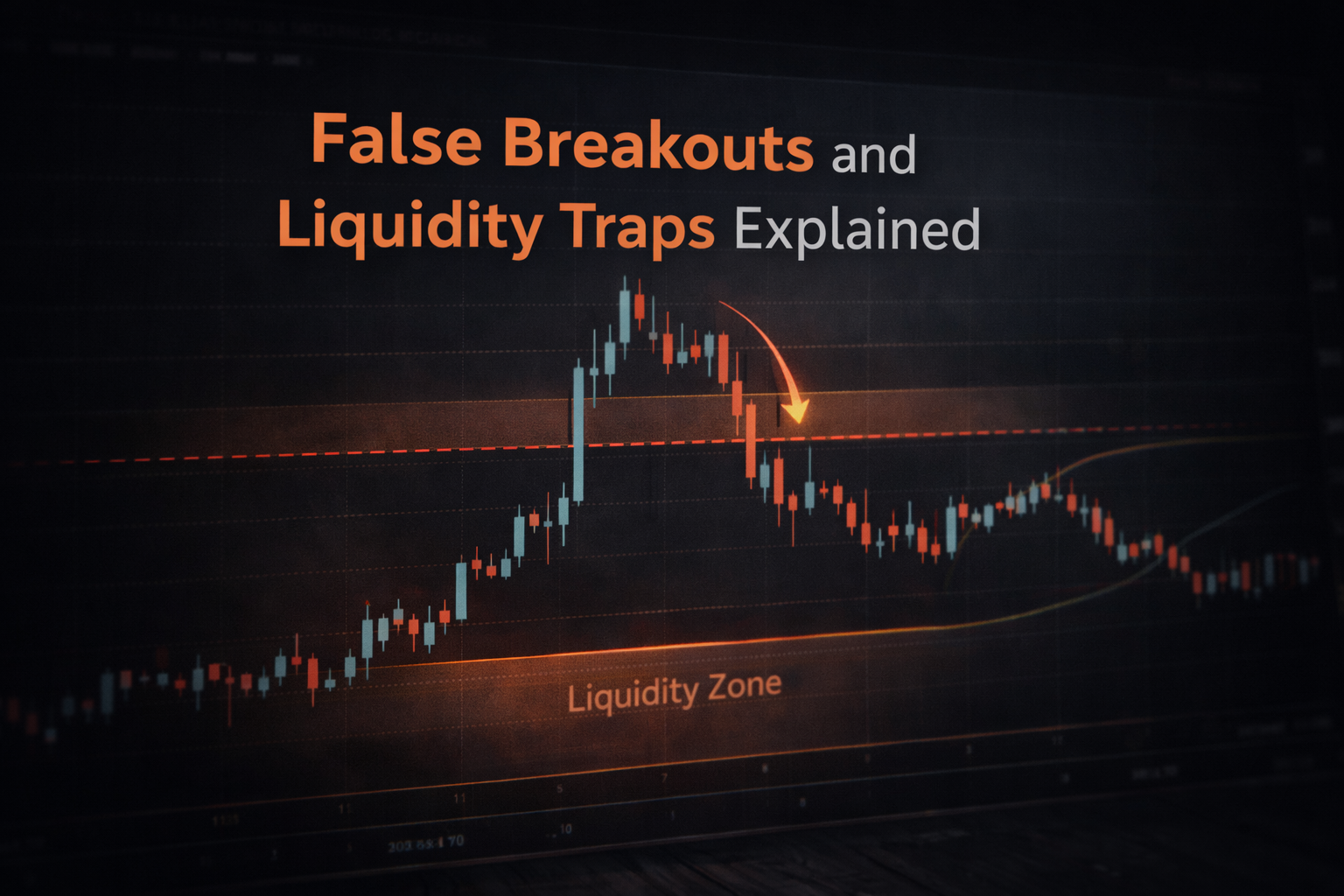
False breakouts are among the most frustrating experiences traders face. Price breaks above a well-defined level, momentum appears to confirm the move, and participation increases, only for the market to reverse sharply and trap those who entered late. Many traders interpret these events as manipulation or bad luck, but false breakouts are neither accidental nor unusual.
Markets require liquidity to move. Large participants cannot enter or exit meaningful positions without counterparties, and those counterparties are often found where retail traders place stop orders and breakout entries. As a result, areas just beyond obvious support and resistance levels tend to attract concentrated liquidity.
This is where false breakouts emerge. When price pushes beyond a level, it often triggers resting orders clustered in predictable locations. That activity provides the liquidity necessary for larger participants to execute their positions, after which price no longer needs to continue in the breakout direction.
A critical distinction professionals make is between structural breaks and liquidity probes. A structural break represents acceptance beyond a level, where price holds and builds value. A liquidity probe represents a brief excursion designed to access orders, not to establish a new trading range.
Retail traders frequently mistake the two because both begin the same way. Price moves through a level, volume expands, and indicators react positively. Without context, these conditions appear identical. The difference lies in what happens after the break.
When a breakout is genuine, price tends to hold beyond the level and develop structure. Pullbacks remain shallow, and acceptance builds over time. In contrast, liquidity-driven breaks often reverse quickly, with price returning back into the prior range and invalidating the breakout premise.
The consequences of misunderstanding this dynamic are consistent. Traders enter late, place stops in predictable locations, and experience rapid reversals that feel sudden and unfair. Over time, this leads to mistrust of breakouts rather than an understanding of when they are structurally sound.
Professional traders approach these situations with patience rather than prediction. They observe how price behaves after the break rather than reacting to the break itself. Acceptance, duration, and structure matter more than the initial move through a level.
Liquidity traps are not designed to trick individual traders. They are a byproduct of how markets function when large orders must be executed efficiently. Understanding this reframes false breakouts from personal failure into structural information.
False breakouts also serve a purpose within broader market behavior. They often precede significant directional moves by clearing weak positioning and resetting sentiment. What appears chaotic in the moment frequently contributes to cleaner trends later.
ChartDetector.ai evaluates breakouts within this broader context by assessing post-break behavior, structural alignment, and risk conditions rather than reacting to the break alone. This helps traders avoid entering moves that lack acceptance while recognizing when false breaks signal deeper information.
False breakouts are not signals to avoid trading. They are reminders that markets reward patience and context over reaction. The next time price breaks a level, the critical question is not whether the level was crossed, but whether the market is accepting that new price area or rejecting it.
Related Articles

Why Markets Punish Consensus
When everyone agrees on where the market is going, the opportunity is often already diminishing. This article explains why consensus creates comfort but rarely creates edge, and why professional traders pay close attention to crowd positioning.
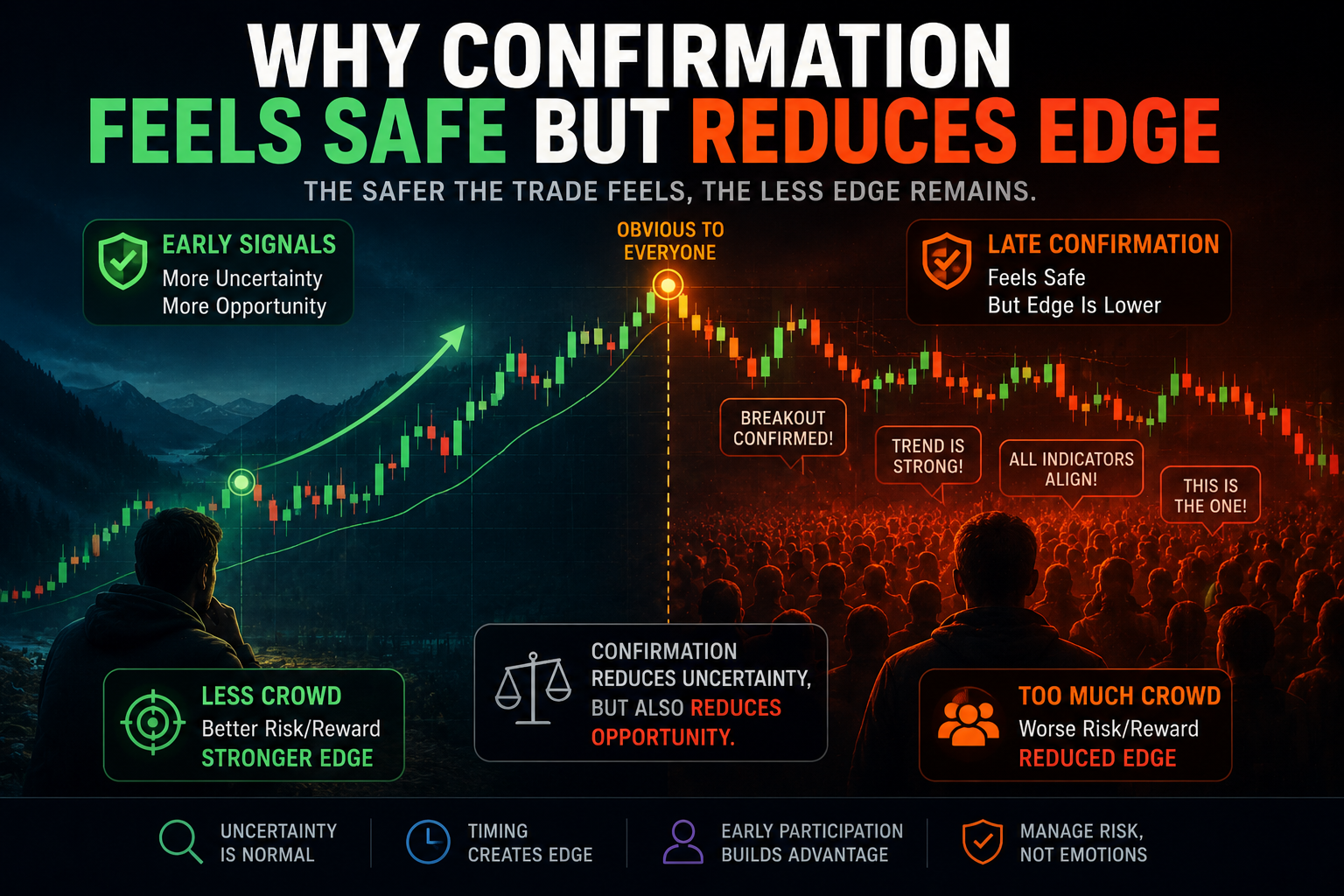
Why Confirmation Feels Safe But Reduces Edge
Confirmation reduces uncertainty, but it often reduces opportunity as well. This article explains why traders naturally seek confirmation, how it leads to crowded positioning, and why professional traders balance validation with timing.
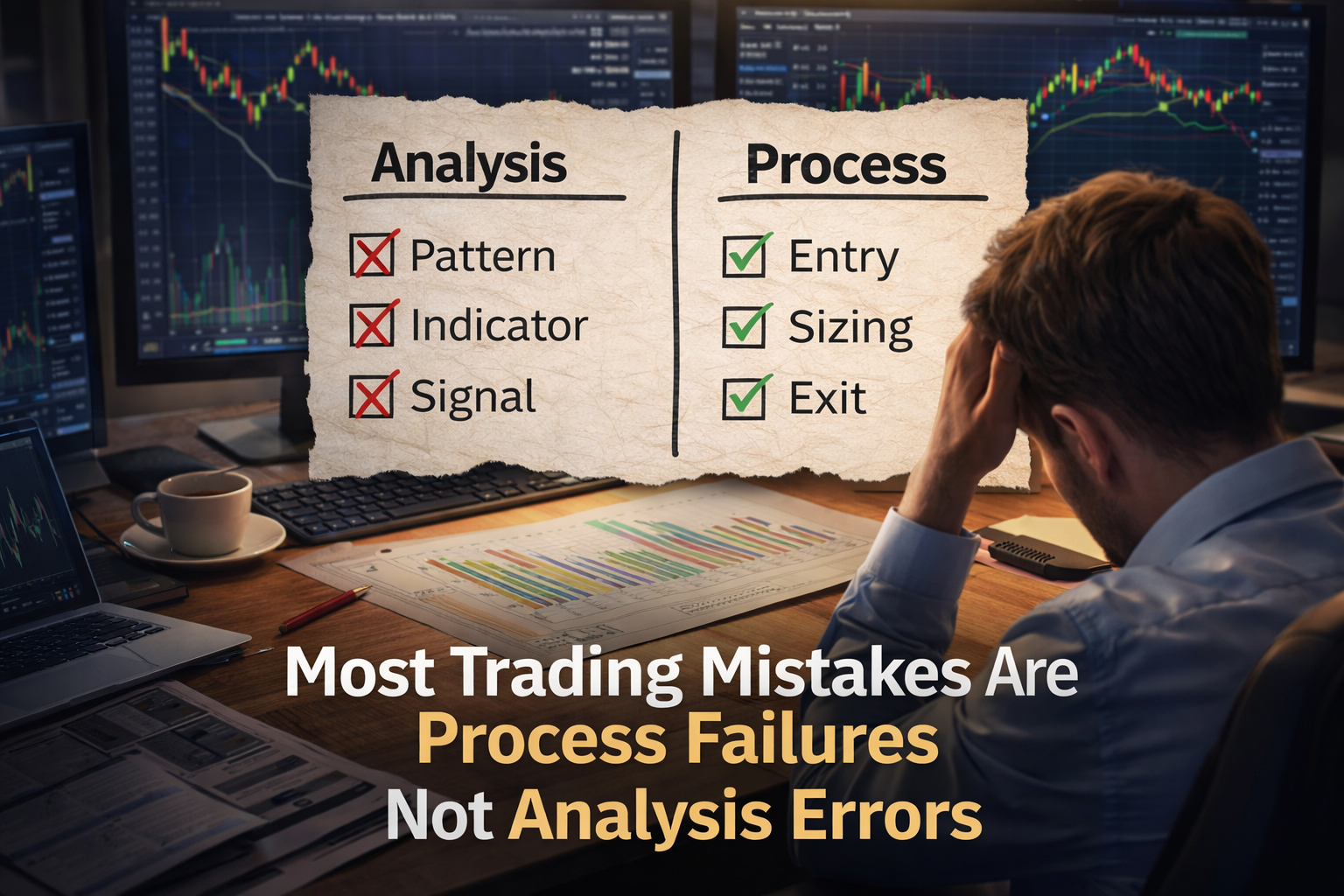
Why Most Trading Mistakes Are Process Failures Not Analysis Errors
Traders often blame losses on bad analysis, yet most mistakes come from poor execution of a sound process. This article explains why process breakdowns matter more than analysis errors and how professionals build consistency through structure.