
Why Liquidity Matters More Than Direction
Most traders focus on whether a market will move higher or lower. Professional traders focus on liquidity. This article explains why liquidity drives price movement, how it influences risk, and why being right about direction is often not enough.
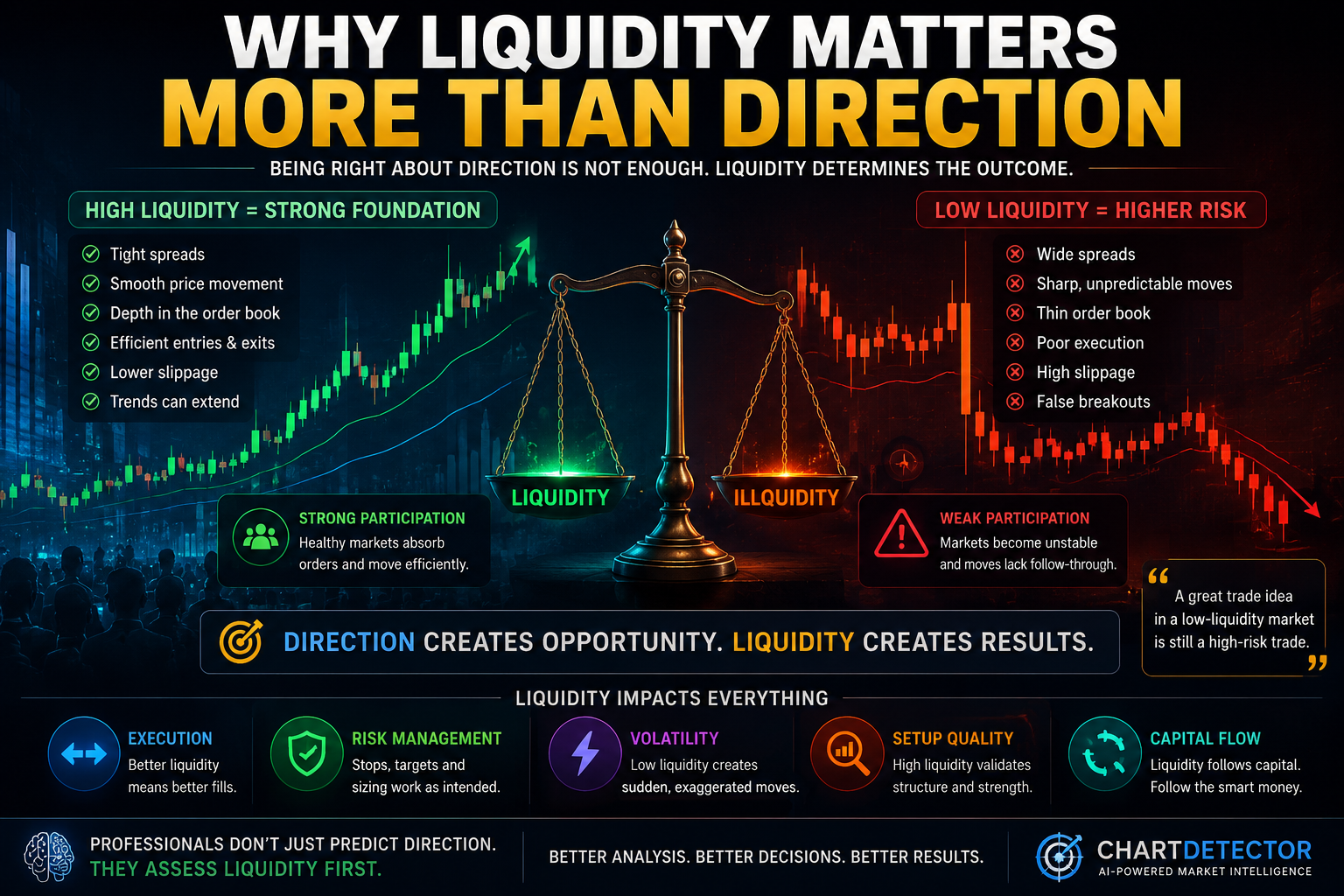
Most traders spend the majority of their time trying to determine whether a market will move higher or lower. They analyze trends, indicators, patterns, and news in an attempt to forecast direction. While direction is important, it is only one component of market behavior. Professional traders often focus on something else first: liquidity.
Liquidity is the ability to buy or sell an asset without significantly affecting its price. It represents the depth of participation within a market and determines how efficiently transactions can occur. Markets with strong liquidity tend to absorb buying and selling pressure smoothly, while markets with limited liquidity can experience sharp and unpredictable movements.
This distinction matters because price movement is not driven solely by opinion or analysis. It is driven by transactions. Every trade requires a buyer and a seller. The ease with which those transactions occur has a direct impact on volatility, execution quality, and risk.
One of the most common misconceptions in trading is that being correct about direction guarantees a profitable outcome. In reality, a trader can correctly predict a bullish move and still experience poor results if liquidity conditions are unfavorable. Thin participation can create sudden price swings, increased slippage, and failed execution that distort the original trade idea.
Liquidity also influences how trends develop. Strong trends are often supported by consistent participation across a broad group of market participants. When liquidity is healthy, buyers and sellers can continuously enter and exit positions without creating instability. This allows trends to develop in a more orderly manner.
In contrast, markets with weak liquidity often produce exaggerated moves. Price can travel quickly through areas where participation is limited, creating what traders sometimes refer to as liquidity gaps or liquidity voids. These movements may appear powerful, but they are not always supported by sustainable participation. As a result, reversals can occur just as quickly as the original move.
This is one reason why false breakouts are common in low-liquidity environments. Price may temporarily move beyond a significant level, attracting new participants who believe a trend is beginning. However, without sufficient liquidity to support continuation, the breakout often fails and reverses.
Liquidity is also closely connected to risk management. The ability to enter and exit positions efficiently affects not only profitability but also capital preservation. During periods of reduced liquidity, stop-loss orders may execute at worse prices than expected, spreads may widen, and volatility can increase unexpectedly.
Professional traders therefore evaluate liquidity as part of the overall quality of a trade. A setup with strong structure and favorable direction may still be avoided if participation appears insufficient. Conversely, a market with healthy liquidity may provide opportunities even when directional conviction is lower because execution risk remains manageable.
Liquidity becomes even more important during periods of market stress. As uncertainty increases, participation can shift rapidly across asset classes. Some markets experience inflows while others see liquidity disappear. These changes often influence price behavior more significantly than the news events that triggered them.
This is why liquidity and capital rotation are closely related. When capital flows from one sector, asset class, or market into another, liquidity conditions change. Markets receiving capital often become more stable and efficient, while markets losing participation may become more volatile and unpredictable.
ChartDetector evaluates market conditions within a broader framework that includes participation, momentum, and capital flow. Understanding liquidity alongside these factors helps traders interpret whether a move is supported by sustainable market activity or whether it is developing within fragile conditions.
The objective is not to ignore direction. Direction remains important because it defines opportunity. However, liquidity determines whether that opportunity can be accessed efficiently and whether the underlying move has sufficient support to continue.
Many traders ask where price is going next. Professional traders often begin with a different question.
Is there enough liquidity to support the move?
The answer to that question frequently provides more insight than direction alone.
Related Articles

Why Markets Punish Consensus
When everyone agrees on where the market is going, the opportunity is often already diminishing. This article explains why consensus creates comfort but rarely creates edge, and why professional traders pay close attention to crowd positioning.
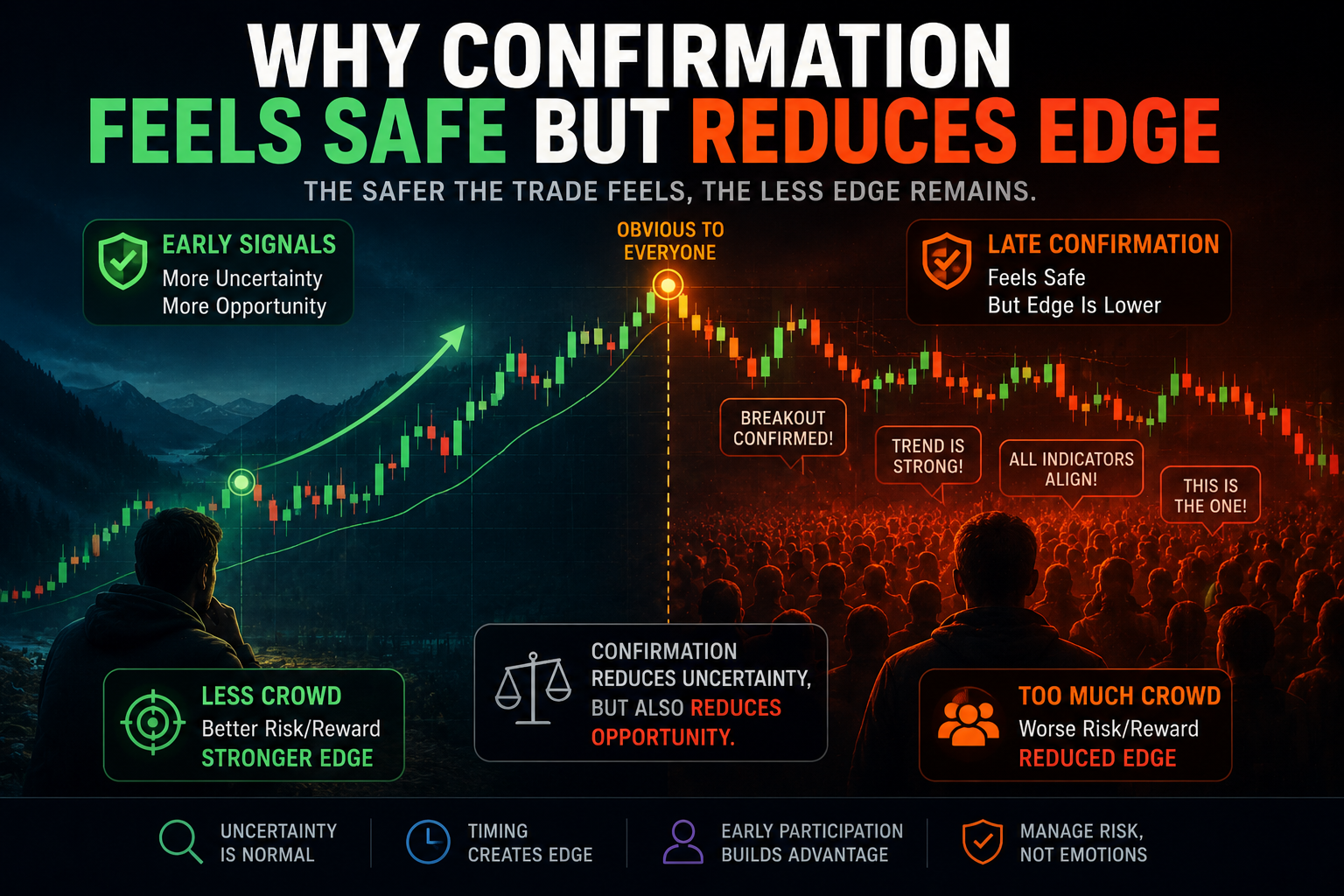
Why Confirmation Feels Safe But Reduces Edge
Confirmation reduces uncertainty, but it often reduces opportunity as well. This article explains why traders naturally seek confirmation, how it leads to crowded positioning, and why professional traders balance validation with timing.
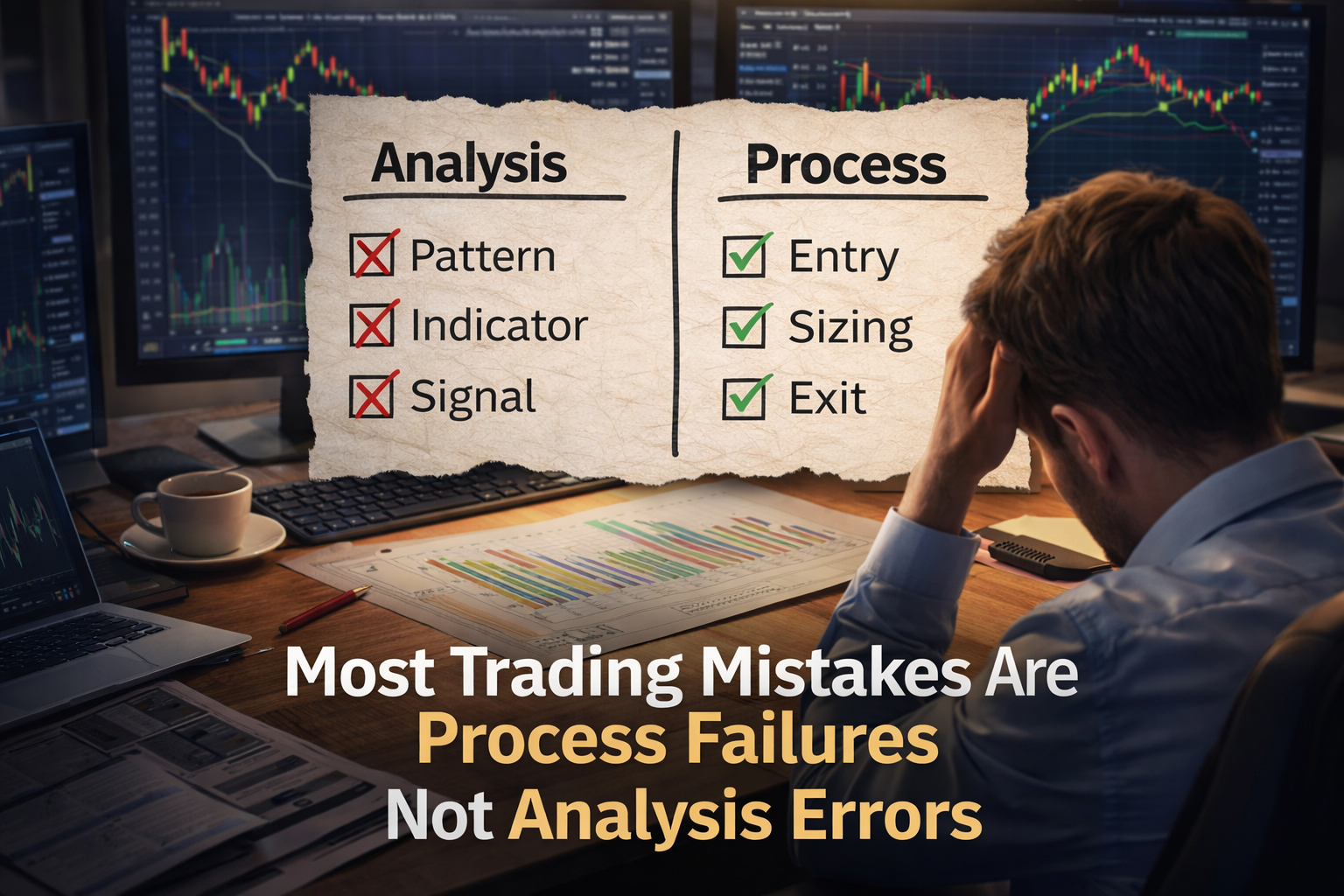
Why Most Trading Mistakes Are Process Failures Not Analysis Errors
Traders often blame losses on bad analysis, yet most mistakes come from poor execution of a sound process. This article explains why process breakdowns matter more than analysis errors and how professionals build consistency through structure.